



Projects
ENCRYPTED MESSAGING AND EXTREME SPEECH
Online disinformation and “extreme speech” are destabilizing global democracies.

The digital, it might safely be stated, is the language of the present. Its pervasiveness spans the mammoth structures of governance to the intimate intricacies of lived worlds.
Beyond a descriptive nod to far-reaching digitality, how do we pry open digital mediation as quests for dignity as well as the very means of its undermining?
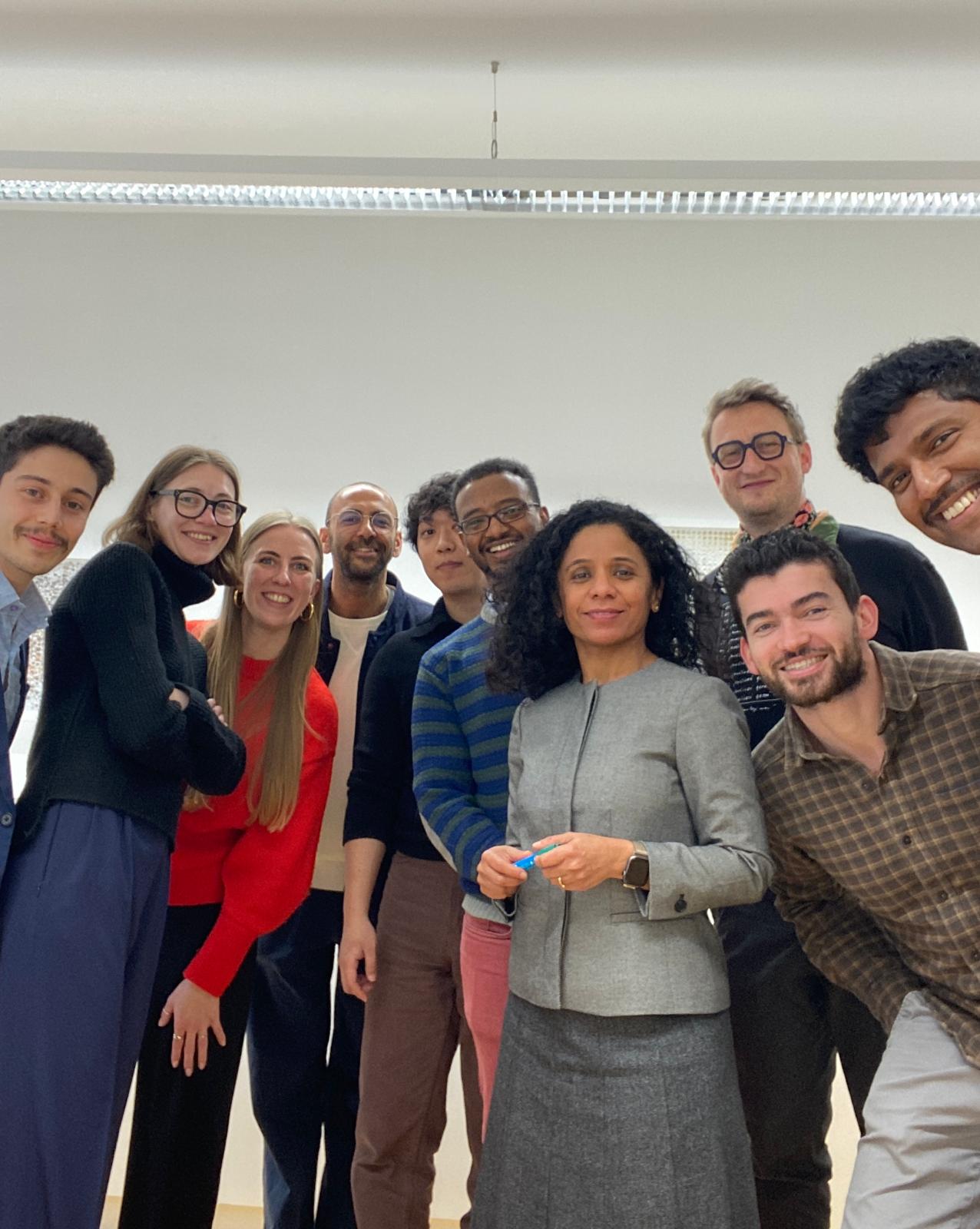
Centre for Digital Dignity is a research initiative to dissect the complex relationship between digital cultures and political participation, and advance critical inquiry on the political impacts of online media and artificial intelligence. Founded by media anthropologist Sahana Udupa, the centre has a core team of researchers based at the University of Munich (LMU), working with a global network of collaborators.
Our interventions in digital media and AI research have centered upon long-term ethnographic investigations, emphasis on historical awareness, collaborative mixed methods (data science and qualitative research), and multimodal engagements. The projects range from ethnographic studies of online media cultures in Brazil, Germany, India and Kenya to global comparative studies of extreme speech, artificial intelligence and hate speech moderation.
Resources, Events, News, Podcasts and Projects offer some glimpses of our exploration.
Out now, open access
(New York University Press, 2025)
(New York University Press)
(Indiana University Press)
Ethnographic, computational and policy-facing work on extreme speech, moderation and artificial intelligence.
Online disinformation and “extreme speech” are destabilizing global democracies.
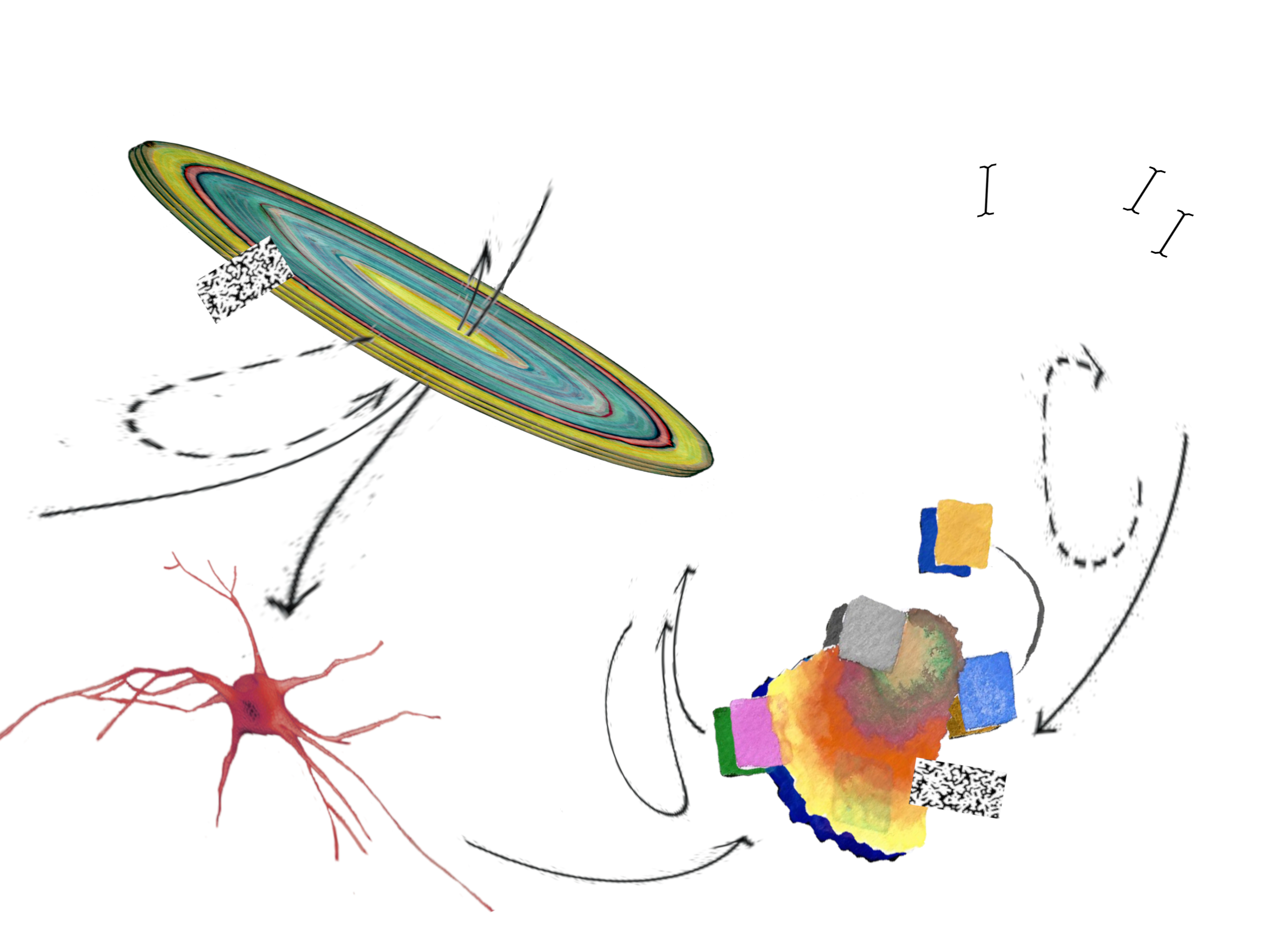
The research project SMALLPLATFORMS examines how contentious speech emerges and spreads on small social media platforms using ethnographic and computational methods in four countries.
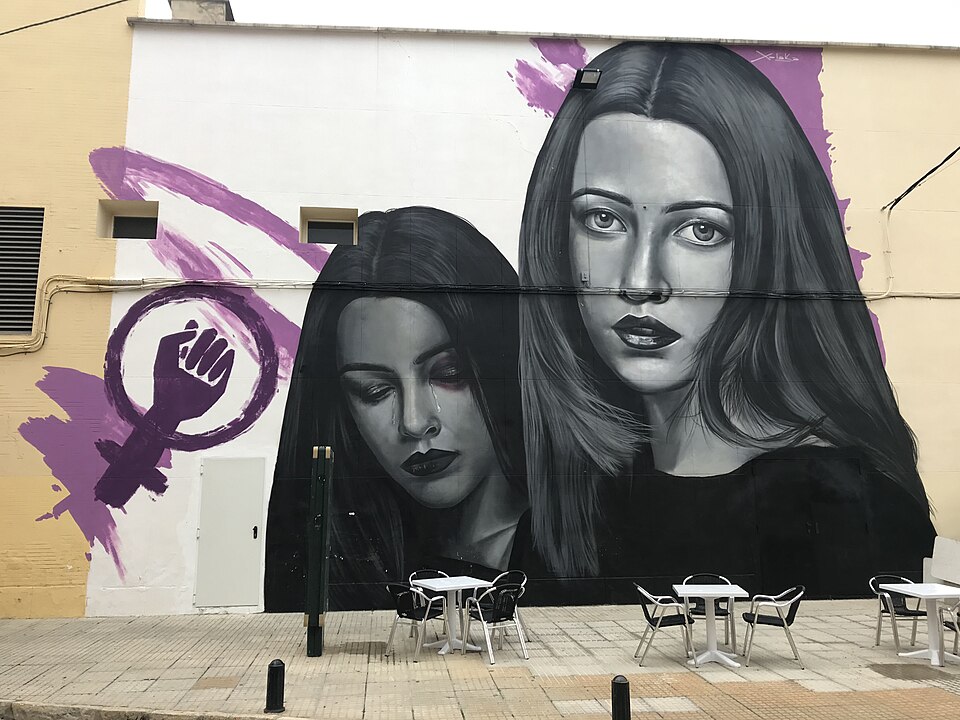
“Understanding, Detecting, and Mitigating Online Misogyny Against Politically Active Women” is a new multiyear interdisciplinary project funded by BIDT.
Books, articles, datasets and policy briefs — open access wherever rights allow.
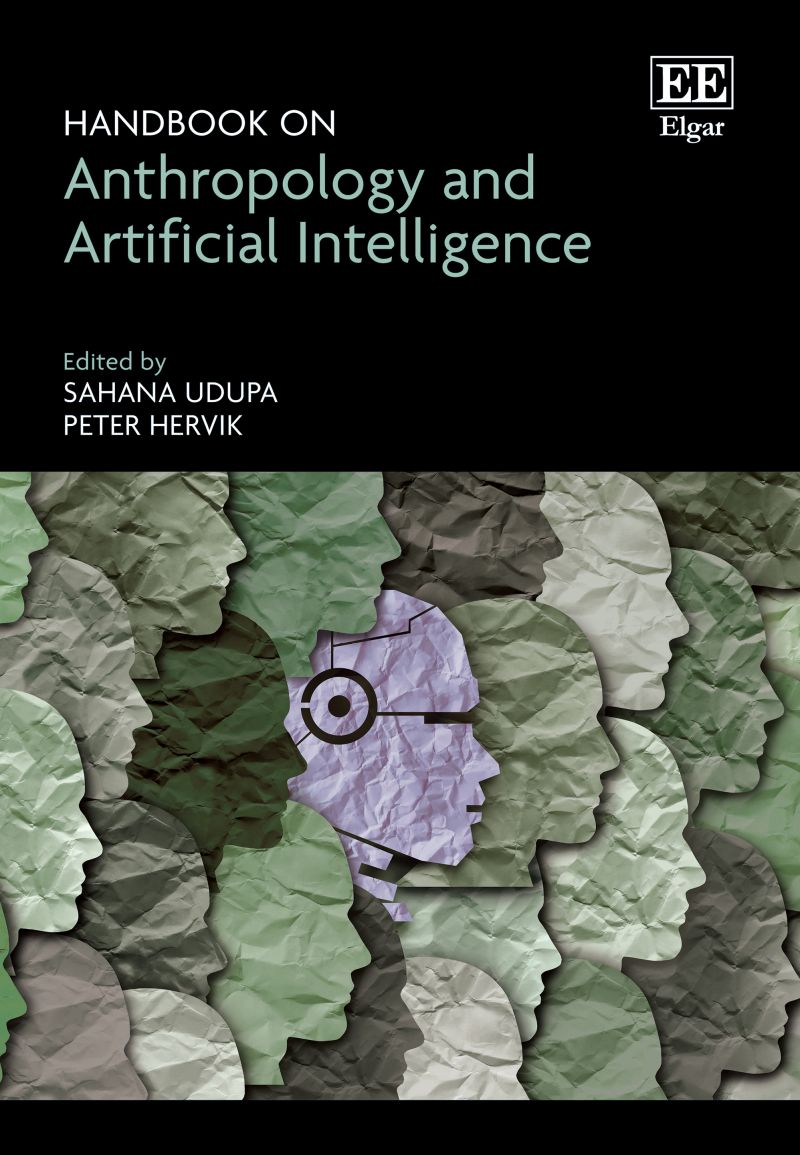
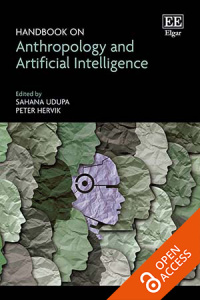
This chapter develops “prompt ethnography” as a critical methodology to scrutinize generative AI. Prompt ethnography employs reflexive interactions with generative models and public controversies around model behaviors as empirical touchstones to draw inferences about why AI models say what they say about politically charged topics, and interrogate the larger structures of power that define the code, content and consternations undergirding model outputs. It is published in the Handbook of Anthropology and Artificial Intelligence (edited by Udupa S. & Hervik P., Edward Elgar)
Featuring 33 chapters and the editors’ introduction, this Handbook provides a groundbreaking collection of anthropological research on artificial intelligence (AI), examining how anthropology can help to comprehend and critique its development. Evaluating the limits, hopes and fears of AI, leading experts explore its influence as a sociocultural phenomenon rather than a discrete technological system.

In this chapter, Sahana Udupa suggests that WhatsApp’s unique role in disinformation and vitriolic ecosystems in contexts of divisive politics lies not as much in the architectural features of encryption but around particular clusters of social relations it enters, entrenches and reshapes. The chapter develops the concept of “deep extreme speech”. It centers community allegiances in distribution logics, framing extreme content as part of the everyday.
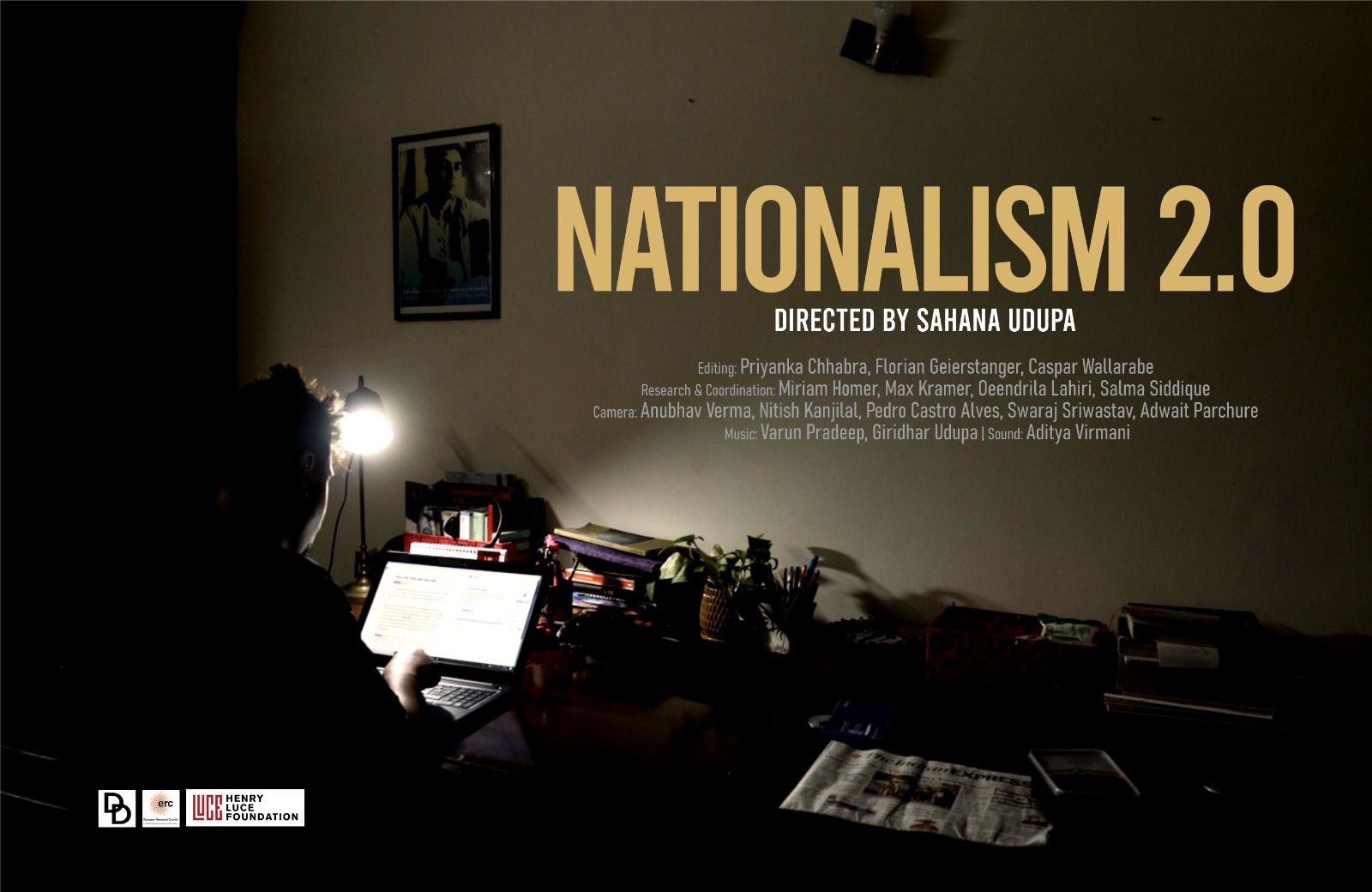
Conversations and documentary work from the centre's multimodal programme.

Episode 16
This month we’re talking with Iginio Gagliardone about Technopolitics and Swati about the Indian Atheists
52:38 · 17 June 2019
Episode 15
This month we’re talking about digital news images with Zeynep Gürsel and online surveillance with Nayantara Ranganathan.
48:22 · 9 April 2019
We work with researchers, journalists, fact-checkers and civil society organisations. Get in touch about partnerships, visiting fellowships or teaching materials.