
Skip to content
Center for Digital Dignity

Facebook convinced poll panel to settle on a voluntary code

“The voluntary code that was drawn (up) during the 2019 general elections was weak and insufficient, not least because of the very manner in which it was created…Double distancing on the part of the social media companies—first from being direct parties and second from enforceable obligation—showed that the voluntary code arrangement was weak from its very inception.” Sahana Udupa quoted in the article.
Related resources

UDUPA, S.(2026) PROMPT ETHNOGRAPHY: CRITICAL METHODOLOGY FOR GENERATIVE AI

UDUPA, S.(2026) PROMPT ETHNOGRAPHY: CRITICAL METHODOLOGY FOR GENERATIVE AI

This chapter develops “prompt ethnography” as a critical methodology to scrutinize generative AI. Prompt ethnography employs reflexive interactions with generative models and public controversies around model behaviors as empirical touchstones to draw inferences about why AI models say what they say about politically charged topics, and interrogate the larger structures of power that define the code, content and consternations undergirding model outputs. It is published in the Handbook of Anthropology and Artificial Intelligence (edited by Udupa S. & Hervik P., Edward Elgar)

UDUPA, S.(2026) PROMPT ETHNOGRAPHY: CRITICAL METHODOLOGY FOR GENERATIVE AI

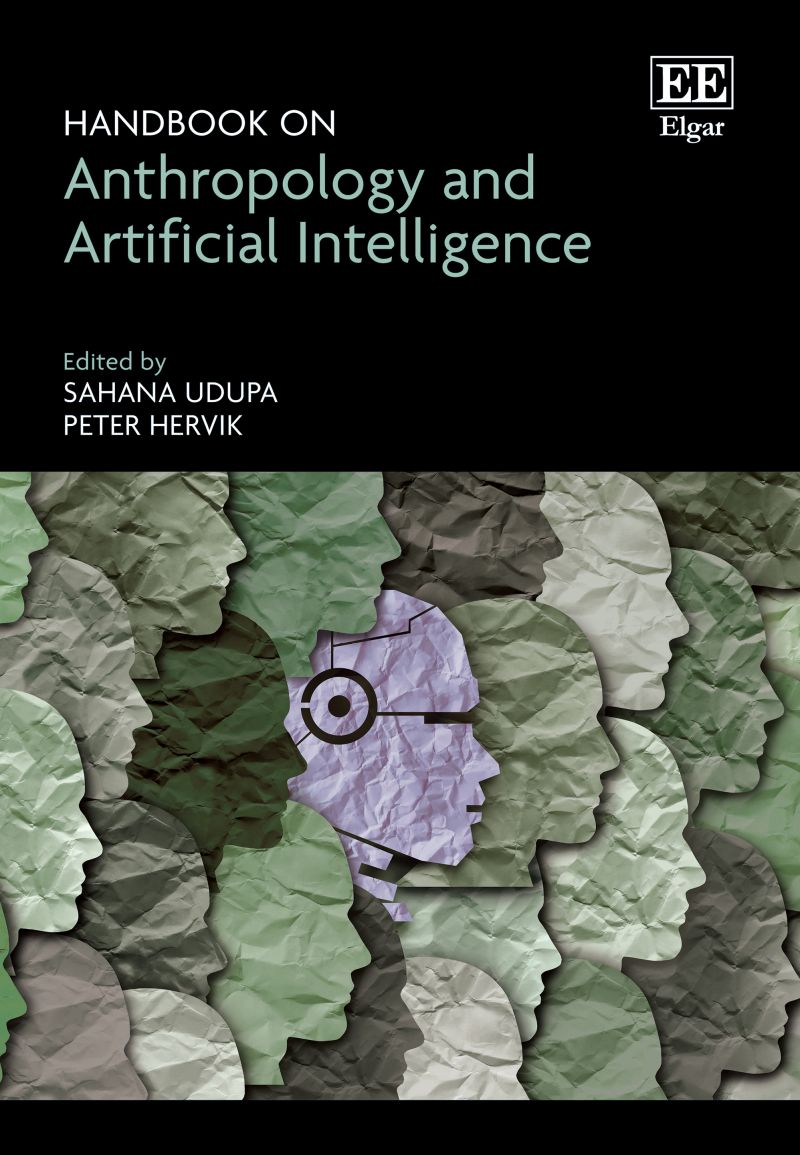
UDUPA, S. & HERVIK P. EDS. (2026) HANDBOOK ON ANTHROPOLOGY AND ARTIFICIAL INTELLIGENCE

Featuring 33 chapters and the editors’ introduction, this Handbook provides a groundbreaking collection of anthropological research on artificial intelligence (AI), examining how anthropology can help to comprehend and critique its development. Evaluating the limits, hopes and fears of AI, leading experts explore its influence as a sociocultural phenomenon rather than a discrete technological system.